Please note that every therapist works differently, depending on the client’s situation, the therapist’s personal training, experience and chosen strategies. In this comparison, we are specifically referring to therapists at Ar Holistic Therapies, who may have their own unique vision and method of practice.
Although their fields may be entirely different, both Muslim scholars and therapists engage with members of the community. However, their focus, approach and objectives differ significantly.
The Role of a Muslim Scholar
A Muslim scholar typically focuses on the outward aspects of religious life.
They teach religious rituals and practices, including:
- Performing ghusl (ritual purification), wudu (ablution), salah (prayer), dhikr (remembrance of Allah)
- Fasting, participating in taraweeh, Umrah, Hajj
- Giving zakat (though often not emphasized) and charity
- Learning the basics of shariah, i.e. what is halal and haram
- Attending Islamic gatherings and participating in Muharram and Milad marches
- Reciting various duas regularly
- Preaching (Dawah) and encouraging others to accept Islam
They may guide individuals to adopt Islamic appearances—such as growing a beard, wearing a turban, hat, jubba, use of miswak, wear atar, carrying a stick, applying surma (kohl) etc.
The scholar’s teachings are primarily focused on akhira (the hereafter) rather than dunya (this worldly life). Their methods usually rely on mass gatherings and speeches, rather than one-to-one tarbiya (personal development) sessions that explore an individual’s upbringing, personal struggles, behavioural issues or mental, emotional and spiritual states.
The Role of a Therapist at Ar Holistic Therapies
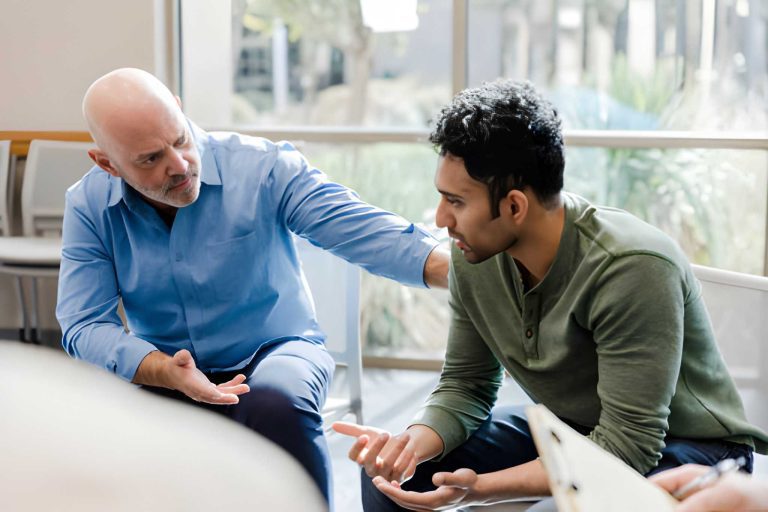
Unlike a traditional scholar, a therapist at Ar Holistic Therapies deeply explores a person’s inner world, helping them heal and address challenges that often remain unspoken. This involves understanding the individual’s past, present and emotional landscape in a way that fosters true transformation.
A therapist seeks to understand:
Early Life and Emotional Foundations
• What was your childhood like?
Understanding early life experiences helps uncover the roots of emotional patterns, beliefs and behaviours that shape one’s present mindset and relationships.
• Have you experienced trauma, abuse, neglect, suppression, aggression or bullying?
Identifying past trauma and unresolved emotional wounds is essential for releasing deeply held pain and breaking cycles of negative self-perception.
• What pain and emotional wounds are you carrying?
Unhealed wounds can manifest as anxiety, depression, low self-esteem and self-sabotage. Recognising this pain is the first step toward emotional freedom.
Inner Barriers and Mental Patterns
• What is holding you back from living fully?
Fear, limiting beliefs, unresolved guilt or unprocessed grief can prevent someone from embracing life fully.
• What are your recurring thoughts and self-talk patterns?
Negative self-talk and ingrained mental scripts can impact self-worth and decision-making, often leading to emotional imbalance.
• What unresolved conflicts or regrets are weighing on you?
Unresolved issues can create emotional blockages, limiting clarity and confidence.
Relationships and Emotional Well-being
• What relationships in your life are impacting your well-being?
Unbalanced or toxic relationships can drain emotional energy, while supportive ones foster healing.
• What are your fears, insecurities and hidden desires?
Addressing these aspects can free a person from self-imposed limitations and support authentic self-expression.
Purpose and Coping
• What are your dreams, goals and life purpose?
Understanding deeper aspirations helps align actions with a person’s true calling.
• How do you cope with stress, pain and setbacks?
Identifying unhealthy coping mechanisms opens the path to healthier strategies that build resilience.
• What are the silent battles you face that no one knows about?
These hidden struggles often require compassionate, individualised support for genuine healing.
This personalised and holistic approach allows therapists to guide individuals toward self-discovery, emotional release and personal transformation. It aims to uncover the root causes of emotional distress, providing a path toward genuine healing, self-awareness and lasting well-being.
The Therapist’s Role in Healing and Empowerment
The therapist helps heal the heart and mind, creating a personalised roadmap for transformation that covers all areas of life through:
- Self-awareness, self-faith and self-esteem
- Self-confidence, self-love and self-respect
- Self-care, self-realisation and self-analysis
- Forming a life vision based on purpose, direction and empowerment
The goal is not dependency but empowerment to help the individual become their own guide, rooted in dignity, peace and divine connection, living a life of healthy relationships, fulfilling work and inner balance.
Therapists inspire individuals to:
- Think positively and choose wisely
- Live consciously and ethically
- Assess and shift thought patterns, behaviours, perceptions and attitudes
- Unite the mind, body and soul to navigate life’s challenges
They promote prevention, not just cure, encouraging:
- Lawful and ethical living
- Legitimate income
- Helping and uplifting others
- Continuous personal growth and self-reflection
They strive to create peaceful, safe environments and live in inner peace.
Does This Conflict with Islamic Teachings?
This type of therapy does not conflict with Islamic principles. On the contrary, it aligns with the holistic nature of Islam, which promotes self-purification (tazkiyah), self-awareness, justice, empathy, healing and community well-being.
How Does the Therapy Work?
The Self-Development Training Programme, when combined with guided meditation, offers a science-backed approach to healing childhood and behavioural issues.
Psychological research shows that childhood experiences shape our core beliefs, emotional responses and behavioural patterns.
Unresolved issues often manifest as:
- Anxiety
- Low self-esteem
- Emotional reactivity
- Unhealthy coping mechanisms
Guided meditation supports healing by:
- Activating the relaxation response to reduce stress and emotional overwhelm (based on the parasympathetic nervous system)
- Encouraging mindfulness and self-awareness
- Supporting emotional regulation, rewiring negative patterns through neuroplasticity and fostering self-compassion
When integrated into a structured programme, it helps individuals:
- Reflect on and reframe limiting beliefs from childhood
- Recognise and change unhealthy behaviours
- Build resilience, confidence and a positive mindset for long-term transformation
The Unaddressed Gap
Meanwhile, the Muslim scholar is often not involved in the deeper aspects of a person’s character, lifestyle or emotional well-being.
The Overlooked Struggles in Our Communities
Whether someone:
- Struggles with life and death decisions
- Commits crimes or sins
- Abuses others or suffers abuse
- Falls into drug addiction, gang life or theft
- Experiences divorce, trauma or mental health challenges
These deeply personal struggles are often left unaddressed, creating a dangerous gap in our support systems.
This gap is reflected in the rising rates of:
- Crime, poverty and unemployment
- Divorce, separation and single parenting
- Mental illness, childhood trauma and emotional neglect
- Substance abuse, domestic violence and homelessness
- Social isolation, family breakdown and youth delinquency
- Digital addiction, financial stress and identity crises
- Bullying, discrimination and unresolved grief
These complex challenges underscore the urgent need for comprehensive emotional, psychological and spiritual support to promote healing, resilience and meaningful personal growth.
A Question for Reflection
As we strive to fulfil our duties as a community, it is essential to ask ourselves:
Are the roles and responsibilities of our scholars being fulfilled in the true spirit of the Deen brought by the Prophet Muhammad ﷺ?
Are these efforts addressing the complete spectrum of human needs—spiritual, emotional, psychological, social and intellectual?
Are we cultivating environments that support holistic growth, encouraging both personal piety and practical life skills?
Is the knowledge being imparted transforming hearts, guiding minds and building strong, compassionate communities that can thrive in the challenges of modern society?
Are our institutions fostering resilience, self-worth and emotional well-being, alongside religious knowledge, to prepare individuals for both the tests of this world and the eternal hereafter?
Are we addressing the mental health crisis, family breakdowns, social injustices and economic struggles that many face or have we confined our focus to rituals alone?
Are we nurturing leadership qualities, critical thinking and social responsibility in our youth, empowering them to become confident, balanced and purposeful individuals?
Are our teachings promoting unity, compassion and understanding or have we allowed divisions and misunderstandings to fragment our communities?
Are we equipping our communities to navigate the digital age, global challenges and complex moral landscapes, while remaining rooted in the timeless values of Islam?
In essence, are we truly living up to the prophetic model of mercy, guidance and holistic care or have we reduced our mission to mere formality?
We need to fulfil our responsibilities with sincerity, compassion and wisdom, nurturing well-rounded, spiritually awakened individuals who contribute positively to society, reflect divine mercy and uphold justice in all aspects of life.
At Ar Holistic Therapies, we aim to fill the gaps that are often overlooked in our society, working alongside religious institutions to create a healthier, more supportive community environment.