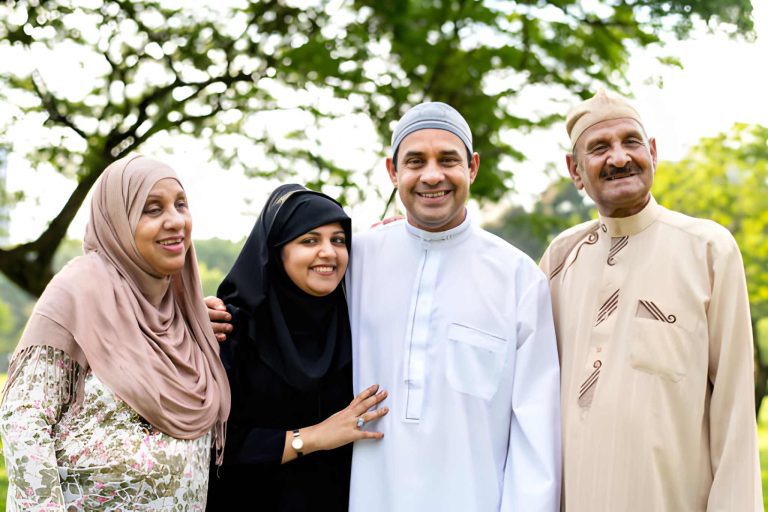
Balancing the Hereafter and Worldly Responsibilities
At Ar Holistic Therapies, we offer a Self-Development Training Programme integrated with guided meditation to help you cultivate positivity, logical thinking, and a realistic approach to life. This programme invites reflection on the imbalance in Muslim priorities, examining how spiritual and worldly duties can sometimes fall out of harmony.
Through mindful reflection and practical guidance, you will learn to balance the Hereafter with worldly responsibilities, ensuring that daily actions align with your higher purpose. The goal is to empower you to live a meaningful, fulfilling, and spiritually grounded life where faith and responsibility coexist harmoniously.
Historically, Muslims have been guided by the Quran and the prophetic example of Muhammad (ﷺ), emphasizing both spiritual devotion and active participation in worldly life. In many modern contexts, however, a noticeable imbalance exists: some place disproportionate emphasis on acts of worship aimed at the afterlife while neglecting critical social, economic, and humanitarian responsibilities in this world.
Root Causes of Imbalance
1. Misinterpretation and Narrow Understanding of Faith
- Many focus narrowly on rituals such as the five daily prayers, fasting in Ramadan, paying zakat, and performing Hajj, while overlooking broader ethical and social dimensions.
- This limited understanding neglects Islam’s emphasis on justice, compassion, community service, and societal welfare.
- Believers are encouraged to uplift the less fortunate, advocate for the oppressed, and foster social harmony.
- Islam promotes a balance between spiritual growth and social responsibility, encouraging qualities such as patience, gratitude, humility, and forgiveness.
- Environmental stewardship, ethical economic practices, human rights, and peacebuilding are integral to a holistic practice of faith.
2. Fear-Based Religious Narratives
- Overemphasis on fear of punishment or desire for heavenly rewards can overshadow Islam’s call for balance, compassion, and social justice.
- Complex moral and societal duties risk being reduced to mere ritualistic compliance.
3. Historical and Cultural Shifts
- Decline of progressive Muslim civilizations and colonization shifted many societies’ focus from worldly progress to spiritual survival.
- Ritualism became a form of cultural and religious preservation.
4. Institutional Focus on Rituals
- Religious institutions often promote rituals as measurable signs of piety, which are easier to teach, monitor, and enforce than broader social responsibilities such as addressing poverty or injustice.
5. Lack of Integrated Education
- Separation of religious and secular knowledge isolates spiritual teachings from practical, worldly skills and responsibilities.
- This educational gap can create the perception that engagement with worldly concerns is less spiritually valuable.
6. Social Pressure and Identity Politics
- Religious identity may be tied to visible acts of worship, creating social pressure to conform at the expense of broader humanitarian contributions.

Consequences of Imbalance in Muslim Priorities
Focusing disproportionately on afterlife-oriented rituals while neglecting broader social, economic, and environmental responsibilities can lead to significant societal challenges:
1. Neglect of Social Justice
- Poverty, inequality, and injustice often persist when faith communities fail to prioritize collective, faith-driven action.
- Marginalized populations may remain without support, undermining Islamic principles of compassion and fairness.
- Widening gaps between social classes can foster resentment and weaken societal cohesion.
- Extreme neglect may contribute to radicalization or social unrest due to exclusion and economic hardship.
2. Intellectual Stagnation
- Emphasis on ritual over education, innovation, and critical thinking hinders societal progress.
- Creativity, scientific exploration, and technological development may be stifled.
- Loss of intellectual traditions weakens global influence and cultural legacy.
- Communities risk disconnection from modern realities, making engagement with broader society difficult.
3. Weakened Community Bonds
- Overemphasis on individual worship can lead to isolation, loneliness, and fragmented social networks.
- Erosion of collective responsibility weakens community resilience.
- Mental health issues may increase due to lack of support systems.
- Communities may struggle to mobilize effectively in times of crisis.
4. Environmental Neglect
- Ignoring the Quranic mandate for stewardship contributes to ecological crises, including climate change and pollution.
- Neglect contradicts the Islamic principle of being a responsible caretaker (Khalifah) of the Earth.
- Vulnerable communities may suffer disproportionately from environmental degradation.
- Faith-based leadership risks losing credibility in advocating for sustainability.
5. Erosion of Ethical Integrity
- Overemphasis on ritual without ethical behavior can lead to hypocrisy, mistrust, and moral decay.
- Disconnect between private faith and public action weakens moral authority.
- Business, governance, and interpersonal relationships may be undermined, reducing societal trust.
6. Spiritual Disconnection
- Focus solely on external rituals can create spiritual dryness and dissatisfaction.
- Individuals may struggle to find deeper meaning and purpose beyond routine worship.
- Fear-based understanding of faith may discourage growth and exploration.
7. Reduced Social Influence
- Isolation from societal concerns limits the ability to influence positive change.
- Reduced impact on public policy, social norms, and cultural development.
- Younger generations may perceive religious communities as irrelevant for modern challenges.
Pathways to Rebalance
Restoring balance between spiritual and worldly responsibilities requires a holistic approach that reflects Islam as a complete way of life:
1. Reframing Religious Education
- Integrate spiritual growth with social, economic, and environmental responsibilities.
- Include critical thinking, emotional intelligence, and practical life skills alongside traditional studies.
- Promote self-reflection, mindfulness, and spiritual awareness as core components.
2. Promoting Social Activism
- Inspire participation in community service, social justice, and humanitarian work.
- Develop volunteer programs addressing poverty, hunger, environmental degradation, and inequality.
- Collaborate with other faith and humanitarian organizations to foster peace and understanding.
3. Reviving Islamic Ethics in Daily Life
- Prioritize honesty, compassion, justice, and integrity alongside ritual obligations.
- Encourage ethical business practices, responsible consumption, and fair trade.
- Promote mental and emotional well-being as integral to spiritual health.
4. Building Strong Institutions
- Support development of education, healthcare, economic justice, and environmental sustainability institutions.
- Establish accountable and transparent leadership in religious and community organizations.
- Create support networks for mental health, family counselling, and social welfare aligned with Islamic ethics.
5. Bridging the Generational Gap
- Foster mentorship and intergenerational dialogue to preserve values while adapting to modern challenges.
- Encourage youth innovation, leadership, and community engagement.
- Use technology and social media to promote belonging and purpose among younger generations.
6. Cultivating Environmental Stewardship
- Emphasize sustainable living and environmental care as part of the Islamic principle of Khalifah.
- Integrate ecological awareness into teachings and community activities.
- Support conservation and eco-friendly practices as part of broader Islamic responsibility.
7. Enhancing Community Resilience
- Strengthen family ties, social bonds, and community networks for collective resilience.
- Promote mental health awareness, emotional support, and conflict resolution.
- Foster a culture of mutual support, gratitude, and shared responsibility.
A balanced approach to faith deepens spiritual fulfillment, strengthens communities, reduces social inequalities, and builds a more just, compassionate, and prosperous society. By reconnecting with Islam’s holistic teachings, Muslims can meaningfully impact this world while striving for eternal rewards in the Hereafter.